

Introduction: What Are Barefoot Shoes?
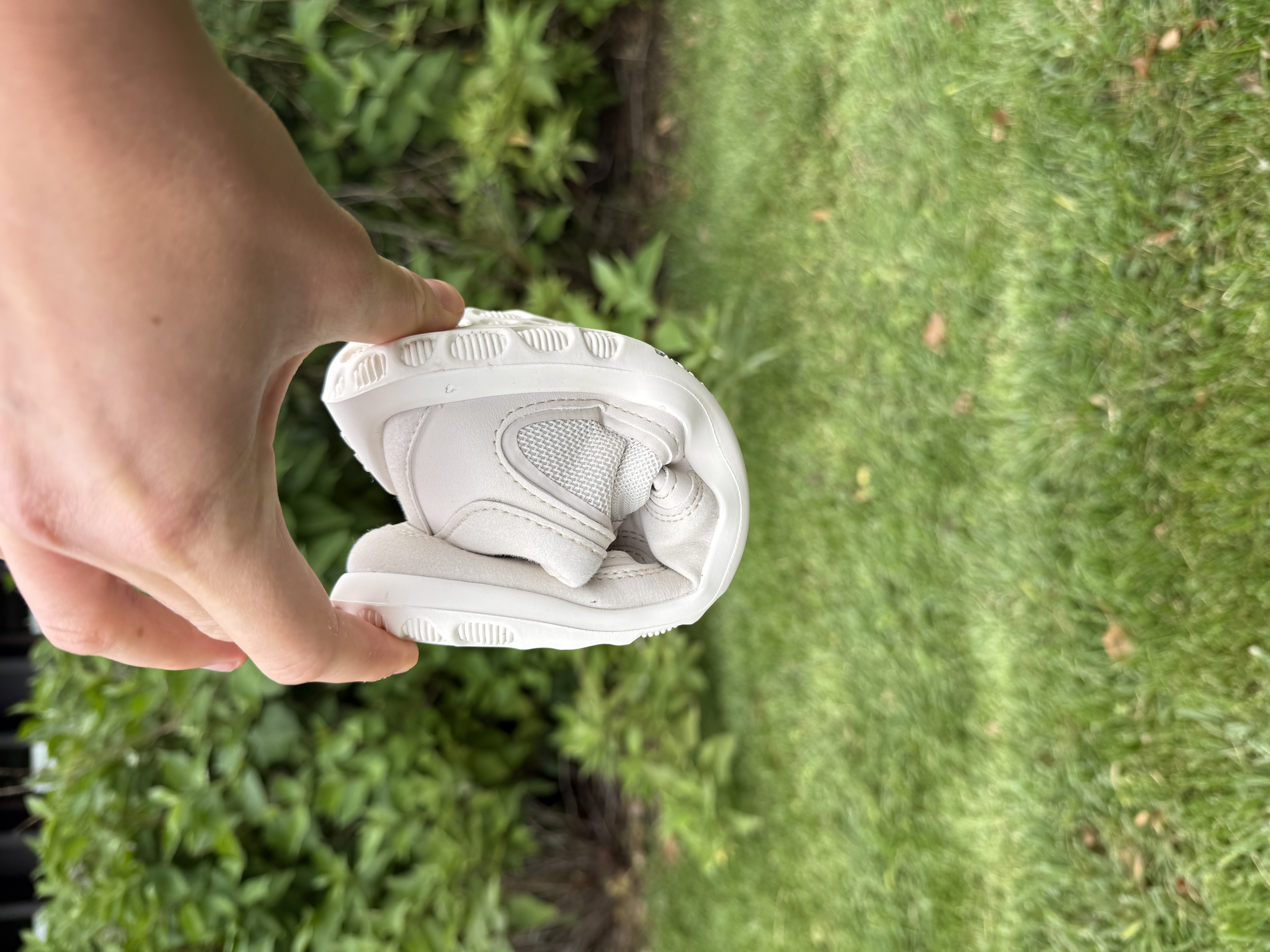
Barefoot shoes are a distinctive type of footwear designed to simulate the experience of walking barefoot while providing minimal protection to the feet. These shoes typically feature a thin, flexible sole that allows for greater sensory feedback from the ground. Unlike traditional footwear, barefoot shoes lack arch support, rigid structures, or cushioning, prioritizing natural foot movement instead.
Key characteristics include:
- Wide toe boxes allowing toes to splay naturally.
- Zero-drop soles, meaning no height difference between the heel and toe.
- Lightweight and pliable materials for maximum flexibility.
The Rise in Popularity of Barefoot Shoes
Barefoot shoes have gained notable traction in recent years, primarily due to their perceived health benefits and minimalist design. Advocates highlight their ability to mimic the natural movement of the foot, promoting better posture and balance. Fitness communities, including runners and yoga enthusiasts, have increasingly embraced these shoes for their claimed improvement in foot strength and stability.
Several factors contributing to their popularity include:
- The growing trend toward natural, holistic approaches to health.
- Increased awareness of the importance of foot strength and function
- Increase of maximalist shoes (ex. HOKA) being pushed as the 'good for you' option
Transitioning away from heavily cushioned footwear has become intriguing for those seeking performance or therapeutic advantages, fueling their curiosity.
How Barefoot Shoes Differ from Traditional Footwear
Barefoot shoes distinguish themselves from traditional footwear through their unique design elements aimed at replicating the natural experience of walking barefoot. Key differences include:
- Thin, Flexible Soles: Barefoot shoes feature thin, pliable soles, providing heightened sensory feedback and encouraging natural foot movement. Traditional shoes use thicker, rigid soles for support and cushioning.
- Wide Toe Box: The toe box in barefoot shoes is wider, promoting toe splay and natural alignment, unlike the narrower fit in conventional footwear that can squish the toes together.
- Zero Drop Sole: Barefoot shoes have no height difference between heel and toe, promoting a neutral posture. Traditional footwear often includes a heel lift.
- Lack of Arch Support: Unlike conventional options, barefoot shoes omit significant arch support, encouraging intrinsic muscle activation in the foot.
- Lightweight Construction: Barefoot shoes are lightweight, focusing on natural movement compared to the heavier, structured build of traditional shoes.
Potential Benefits of Barefoot Shoes for Your Feet
Barefoot shoes are designed to mimic the experience of walking barefoot while offering some level of protection. They promote a natural gait, allowing the feet to move more freely as designed. By encouraging better posture and alignment, these shoes may help reduce strain on the body.
Possible Advantages Include:
- Improved Foot Strength: The lack of cushioning engages the intrinsic muscles of the feet, which can lead to stronger arches and improved stability. A lot of the foot's balance come from the intrinsic muscles being able to stabilize.
- Enhanced Balance and Proprioception: The thin soles enhance sensory feedback, aiding coordination and overall body awareness. The more your brain can feel what's happening under the foot, the better it can align and dictate movement to react.
- Reduced Risk of Common Foot Issues: Barefoot shoes may decrease dependence on artificial support, mitigating ailments such as plantar fasciitis.
Possible Risks and Drawbacks of Barefoot Shoes
Barefoot shoes, while beneficial for some, may pose certain risks and drawbacks:
- Increased Risk of Injury: Transitioning too quickly to barefoot shoes can lead to conditions like plantar fasciitis, Achilles tendonitis, or stress fractures due to insufficient arch or heel support.
- Adaptation Period: The body requires time to adjust to barefoot shoe mechanics, and without proper transition, it may lead to discomfort or injuries.
- Unsuitability for Specific Conditions: Individuals with pre-existing foot issues—such as surgeries or arthritis—may find barefoot shoes increase discomfort.
Proper transition and mindful use are essential to minimize potential risks.
How to Transition to Barefoot Shoes Safely
Transitioning to barefoot shoes requires a gradual approach to avoid injury or discomfort. Sudden changes to footwear can strain the feet, muscles, and joints unaccustomed to reduced support. Consider the following steps:
- Start Slowly: Begin wearing barefoot shoes for short durations, such as 20-30 minutes, and gradually increase time over several weeks.
- Strengthen the Feet: Include foot exercises like toe curls, calf raises, and foot rolls to build strength and flexibility. Consult a professional for 1 on 1 help with this.
- Alternate Footwear: Alternate between barefoot shoes and traditional shoes to reduce strain while transitioning.
- Choose Proper Terrain: Start walking on softer surfaces like grass or sand to reduce the impact on joints.
- Listen to the Body: Address any signs of pain, discomfort, or fatigue by slowing down the process or consulting a professional.
Testimonials and Case Studies: Real-Life Experiences
Many individuals have shared their real-life experiences with barefoot shoes, highlighting both benefits and challenges.
- One runner explained how switching to barefoot shoes improved his stride efficiency and reduced chronic knee pain. He emphasized the importance of a gradual adaptation phase.
- A healthcare professional cited a case where a patient with flat feet experienced discomfort at first but eventually developed stronger foot muscles after consistent use, causing them to no longer rely on orthotics.
- Testimonials from hikers revealed mixed results; several appreciated the enhanced ground feel, though a few noted it required time to accustom themselves to less cushioning.
- Long term high heel wearer noticed her toes began to spread apart again after being pushed togehter for so many years.
These testimonials underscore the importance of proper usage and individual adaptation.
Conclusion: Are Barefoot Shoes Worth It for Your Feet?
Determining whether barefoot shoes are worth it depends on individual needs, foot health, and lifestyle preferences. Barefoot shoes offer benefits like improved proprioception, natural foot movement, and strengthened muscles, making them appealing to those seeking a closer-to-nature experience. However, potential downsides such as lack of cushioning and adaptability may pose risks for individuals with pre-existing foot conditions or who spend extended periods on hard surfaces.